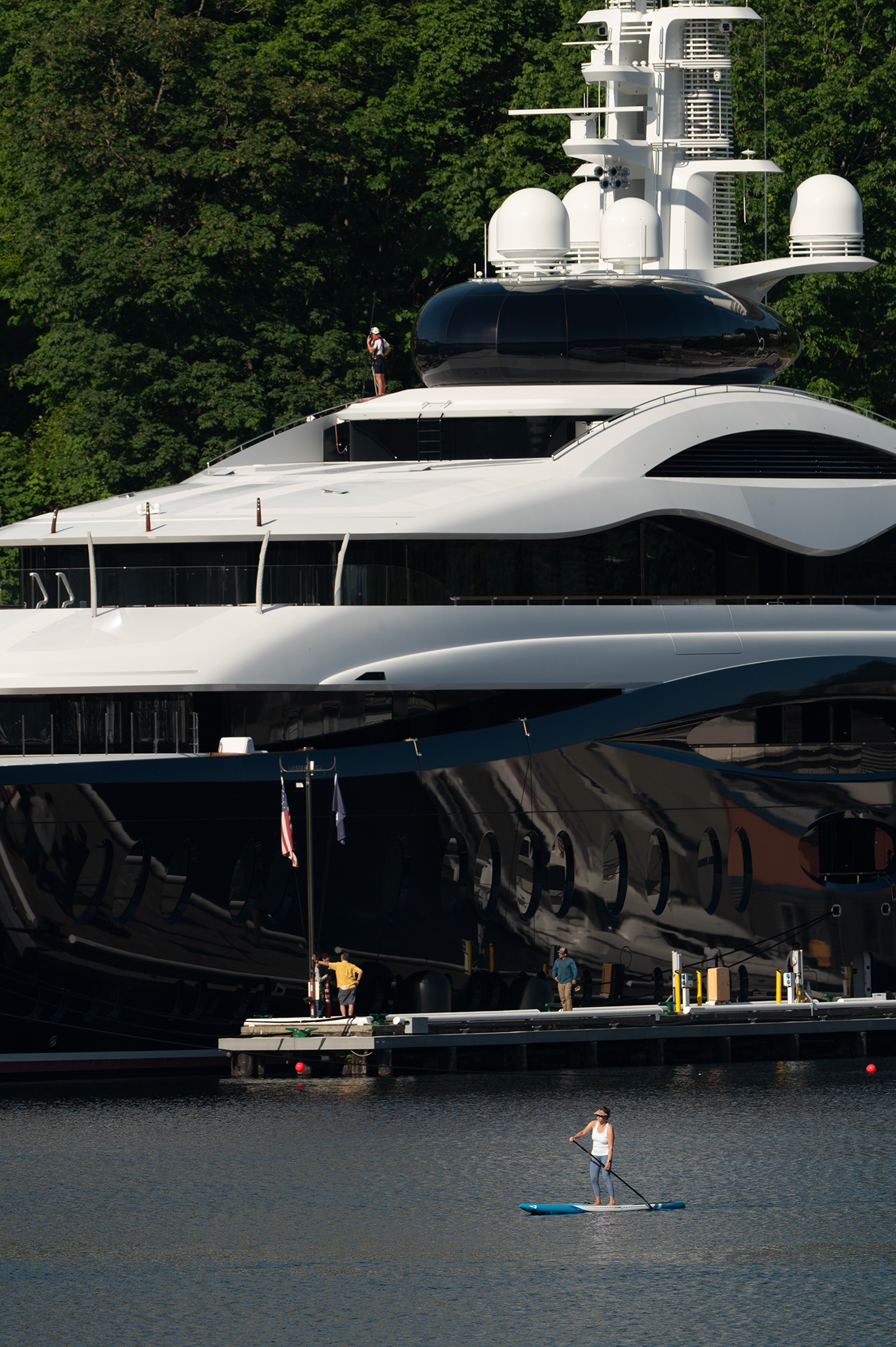
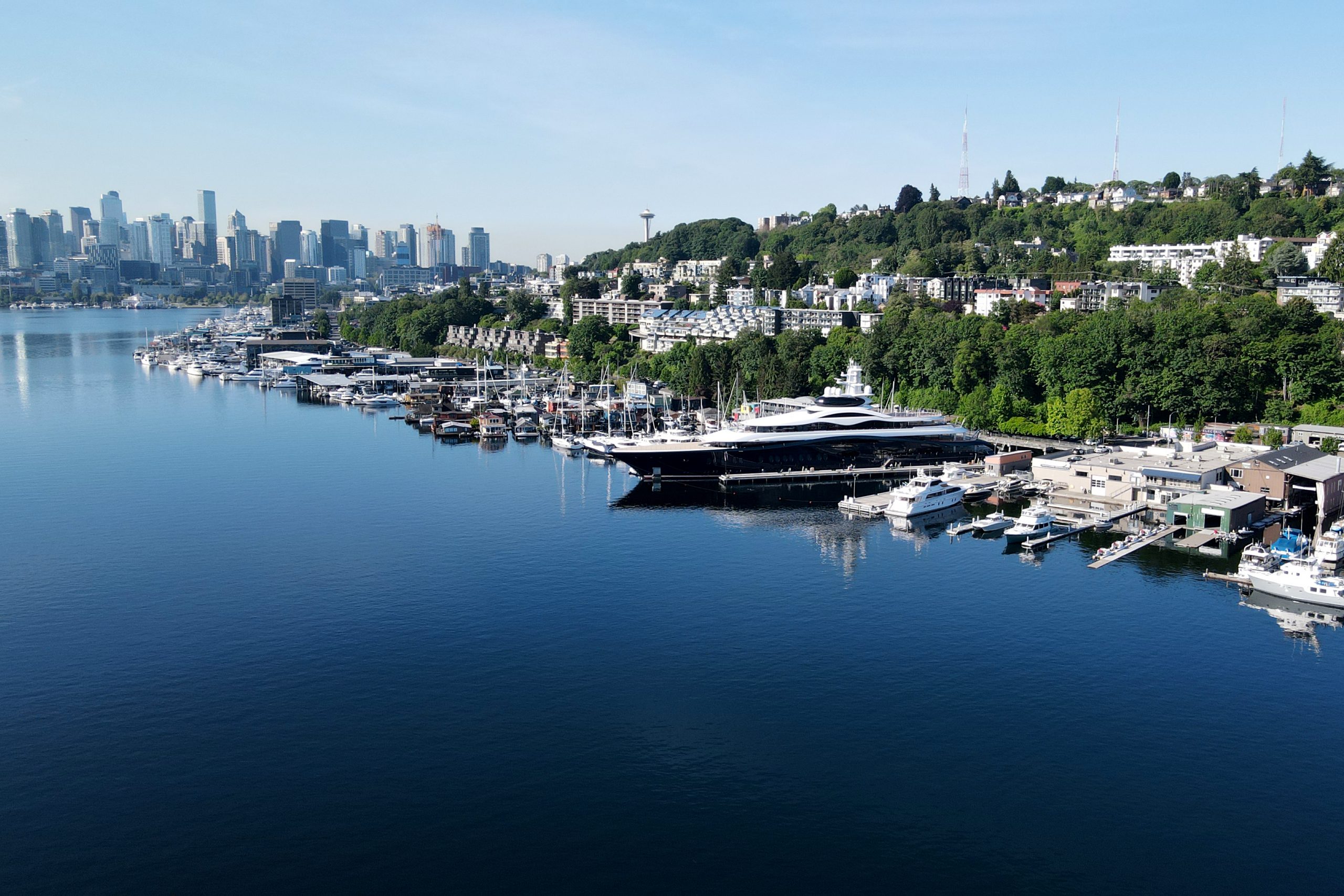
 “Billionaires’ yachts create jobs.” It’s a common defense for extreme luxury spending, rooted in the idea of trickle-down economics. However, framing superyachts as an effective job creation engine is a classic economic fallacy.
While it’s true that the maritime industry benefits from these purchases, the broader reality paints a different picture. Here is why the billionaire trickle-down defense is fundamentally flawed:
- The Opportunity Cost: The hundreds of millions spent on a single vessel represent capital locked in a concentrated asset. If invested in public infrastructure or broader business ventures, it would yield exponentially higher employment benefits.
- The Broken Window Fallacy: Spending money doesn’t automatically equal efficiency. A crew of 50 for a private playground creates only a fraction of the economic ripple effect that the same funds would achieve in manufacturing or healthcare.
- Carbon vs. Contribution: The environmental impact of these vessels often outweighs the localized financial benefit of hiring a few dozen deckhands and chefs.
To understand why this matters, we have to look at the velocity of money and how it circulates through a healthy economy.
 The Power of the Middle Class
A healthy economy relies on the Marginal Propensity to Consume (MPC). Billionaires have a low MPC; their needs are met, so extra wealth often sits in stagnant assets. In contrast, everyday people have a high MPC. When regular families have spending power, they create a dynamic cycle:
- Local Circulation: Spending at local businesses allows those owners to pay employees, who then buy groceries and pay rent, multiplying the impact of every dollar.
- Human Capital: Financial breathing room leads to investments in education and healthcare, creating a more skilled and innovative workforce.
- Business Resilience: A robust middle class provides businesses with a stable, predictable customer base, shielding the economy from speculative bubbles.
Better Ways to Create Jobs
If the goal is truly to move the needle on employment, luxury spending is the least efficient method. For the cost of one superyacht, capital could be deployed into high-impact sectors:
- Venture Capital: Funding startups creates thousands of roles in tech, marketing, and operations.
- Infrastructure & Green Energy: Projects like solar farms require a hierarchy of labor, from engineers to construction workers.
- R&D: Scientific research lays the groundwork for future industries and millions of tomorrow’s jobs.
Ultimately, a healthy economy requires balance. While capital is needed for innovation, pooling too much at the top starves the consumer engine that powers the entire system. True job creation is an intentional act of building a productive society, not an accidental byproduct of extreme luxury.